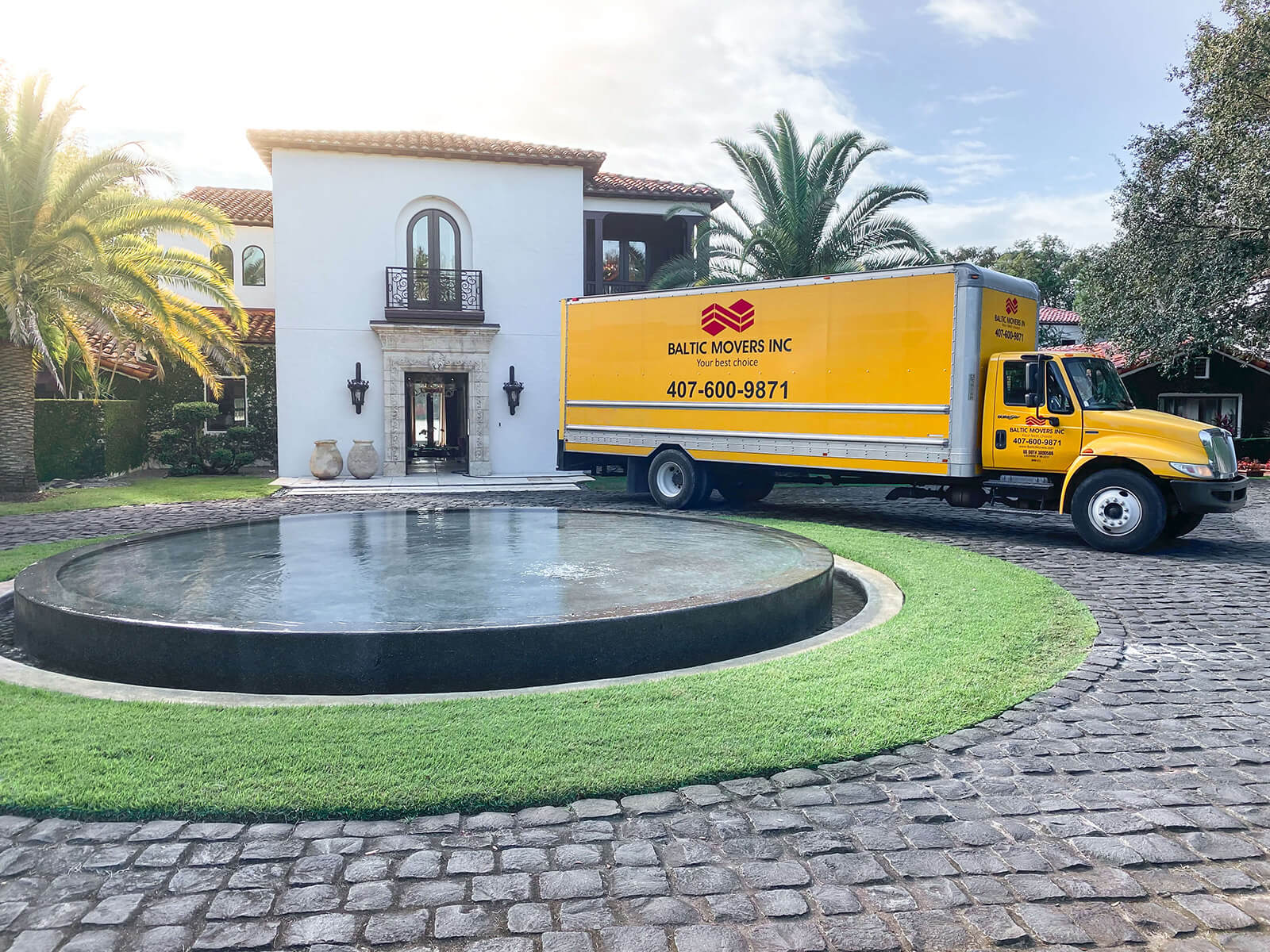
Picture this: it’s moving day. The truck is loaded. The movers are done. You’re standing in your empty living room feeling pretty accomplished—until you realize your phone charger is buried somewhere inside box number forty-seven, your wallet is taped inside a wardrobe box, and the only snack within reach is a single stale granola bar your kid rejected three weeks ago.

Welcome to the chaos that could have been avoided with one simple trick: the “Don’t Pack This” box.
This isn’t just a box of random leftovers. It’s your moving day survival kit—a carefully curated collection of everything you’ll actually need during the twelve to twenty-four hours when your life is literally in transit. Think of it as your emotional support container. The one box that rides shotgun in your car and never, under any circumstances, goes on the truck.
Here’s how to build the perfect one.
The Essentials: Documents and Valuables
Let’s start with the stuff that would genuinely ruin your week if it disappeared into the moving void. Your important documents belong in this box—or better yet, in a folder inside this box.
We’re talking IDs, passports, birth certificates, your lease or closing documents for the new place, insurance papers, and any medical records you might need quickly. If you have kids, include their school enrollment paperwork. If you have pets, pack their vet records and vaccination certificates. Essentially, anything that would require you to stand in a government office for four hours to replace should be in here.
Your wallet, keys to the new place, and any jewelry or small valuables also belong in this box. Yes, even if your moving company is fully insured—peace of mind is priceless. No one wants to file a claim for grandma’s ring on day one.
Power and Connectivity: Chargers, Cables, and Wi-Fi
In 2025, losing access to your phone charger is roughly equivalent to being stranded on a desert island. Maybe worse, because at least on the island nobody expects you to respond to texts from your mother-in-law asking if you’ve arrived yet.
Pack chargers for every device your household uses: phones, tablets, laptops, smartwatches, earbuds—the whole ecosystem. Throw in a portable power bank too, already charged. Moving day has a funny way of stretching longer than you planned, and a dead phone at 9 PM when you need to order pizza is a special kind of defeat.
Pro tip most people miss: bring a small power strip or extension cord. Your new place might not have outlets in convenient spots on day one, and you’ll want to charge multiple devices while you set up. If your internet provider is doing a same-day installation, keep the appointment confirmation and any equipment in this box too.

The Overnight Bag: Clothes, Toiletries, and Bedding
Think of moving day like a weird camping trip where the campsite is your new empty house. You need enough supplies to survive the first night and following morning without unpacking a single box.
Pack a change of clothes for everyone in the household—something comfortable for unpacking the next day, plus pajamas. If you’re moving in the middle of Orlando’s summer, you’ll want lightweight clothes and extra deodorant. Trust us on the deodorant. Florida in July is no joke.
Toiletries are non-negotiable: toothbrushes, toothpaste, soap, shampoo, toilet paper (mark this one in bold, underlined, and highlighted—nothing is worse than needing toilet paper in an empty house at midnight), and any prescription medications. If anyone in your family takes daily meds, pack enough for at least three days. Moving timelines shift. Boxes get lost. Pharmacies close early.
For bedding, either designate one clearly labeled box of sheets and pillows that goes into the truck last and comes out first, or toss a sleeping bag and pillow into your survival kit. Nobody sleeps well the first night in a new place anyway—just make sure you’re not sleeping on a bare floor.
Food, Water, and the Snack Situation
Hungry people make bad decisions. This is a universal truth that applies to stock trading, online shopping, and especially to choosing which room to unpack first.
Your survival kit should include bottled water—enough for everyone for the whole day—and disposable cups, because your glassware is wrapped in newspaper somewhere inside box thirty-two. For food, pack snacks that don’t need refrigeration: granola bars, trail mix, crackers, peanut butter, dried fruit, or whatever keeps your household from turning into a pack of hangry wolves.
A small cooler with sandwiches, drinks, and fruit is even better if you have room in the car. Some people also pack a box of tea bags or instant coffee, a couple of mugs, and an electric kettle. This might sound like overkill until you experience the first morning in your new place with no way to make coffee. That’s not a minor inconvenience—that’s a crisis.
And don’t forget to plan for dinner. Moving day dinner is almost always delivery, and there’s no shame in that. Have the apps downloaded and the delivery address updated before the truck arrives.
Cleaning Supplies: Because Your Old Place Won’t Clean Itself
Here’s the thing about cleaning supplies on moving day: you need them for both locations. Your old place needs a final sweep (especially if you want your security deposit back), and your new place will need a wipe-down before you start putting things away.
Pack a small kit with paper towels, all-purpose cleaner, disinfecting wipes, a broom and dustpan, and garbage bags. Lots of garbage bags. Moving generates an absurd amount of trash—packing paper, tape, plastic wrap, empty boxes, forgotten items you suddenly decide you never wanted. You’ll fill more bags than you expect. At minimum, wipe down the kitchen counters and clean the bathroom in your new place before the furniture starts coming in. Starting fresh in a clean space makes everything feel a little less chaotic.
Tools You’ll Actually Need
You don’t need your entire toolbox, but a few essentials will save you real frustration.
A box cutter or utility knife is number one. You’re going to be opening boxes all day, and trying to do it with your keys or a butter knife is exactly as inefficient and mildly dangerous as it sounds. Pack a screwdriver set—both flathead and Phillips—for reassembling furniture, tightening door handles, or installing curtain rods on day one. A tape measure is surprisingly useful for figuring out where furniture fits before the movers carry it up three flights of stairs. And a flashlight is essential for checking closets, attics, and breaker boxes in unfamiliar territory.
Throw in some packing tape as well. There’s always that one box that pops open during transit.
Entertainment and Sanity Savers
Moving day involves a lot of waiting. Waiting for the movers. Waiting for the cable guy. Waiting for the locksmith because the previous owner gave you three keys and none of them work properly.
For kids, pack a small bag of favorite toys, coloring books, tablets with downloaded shows, and their comfort item. If your child’s beloved teddy bear gets packed in the truck, you will hear about it for the entire drive to the new house and potentially for the next several years.
For adults, make sure you have your headphones, a book, or a podcast queued up. Moving is physically and emotionally exhausting, and a fifteen-minute break with a cup of coffee and some music can make the difference between ending the day with accomplishment and ending it in tears on the kitchen floor.
The “I Forgot This Existed” Category
These are the items people never think to pack until they desperately need them. A first aid kit—someone always gets a paper cut, bumps a shin, or steps on a rogue Lego during unpacking. Scissors and a pen for cutting things, labeling things, and signing for deliveries. Ziploc bags in multiple sizes for organizing small items like remote controls, hardware, and charger cables.
Pet supplies if you have animals: food, bowls, leash, a familiar blanket or toy, and any medications. Your pets are stressed enough without hunting for their dinner at 8 PM.
And finally—cash. A small amount for tipping movers, paying for unexpected parking, or grabbing something from a vending machine when all else fails. Not everything takes Apple Pay, especially when you’re sweaty and holding a floor lamp.
How to Pack It (Without It Becoming a Second Move)
The key to a good survival kit is restraint. This box should be manageable—something one person can carry. If you need a hand truck for your “essentials,” you’ve gone too far.
Use a medium-sized plastic bin with a lid rather than a cardboard box. It’s sturdier, water-resistant, and you can see inside it. Label it “OPEN FIRST” or “DO NOT PACK” in big, unmistakable letters. Then tell every person involved in the move that this box does not go on the truck. Say it twice. Write it on the box. Movers are efficient and fast, and in the whirlwind of loading, even a clearly labeled box can end up buried behind a couch.
Pack it last, after everything else is loaded, and keep it in your personal vehicle. It should be the first thing you bring into your new home.
Your Future Self Will Thank You
Moving is one of those experiences that tests your planning skills, your patience, and your relationship with everyone who agreed to help. A well-packed survival kit won’t eliminate the stress entirely—nothing can do that except maybe a time machine and a team of professional organizers—but it will eliminate the worst of it.
When you’re standing in your new kitchen at the end of a long day, phone charged, belly full, and toothbrush in hand, you’ll know exactly which box saved your sanity.
Planning a move in Orlando or anywhere in Central Florida? Baltic Movers has been helping families relocate with minimal stress and maximum efficiency. We handle the heavy lifting so you can focus on the important stuff—like making sure your survival kit is perfect. Give us a call or request a free quote at balticmovers.com.